6 Reasons Transmission Problems Should Never Be Ignored
The transmission is one of the most important systems in a vehicle because it transfers engine power to the wheels and helps the car move at the proper speed. When this system begins to fail, drivers may notice delayed shifting, unusual noises, fluid leaks, burning odors, or slipping gears. These symptoms can seem minor at first, but they often indicate a problem that may become more serious over time.
Prompt attention can help protect the vehicle, reduce repair expenses, and prevent unsafe driving conditions. A professional inspection can identify the source of the issue and determine whether maintenance, a small repair, or a more extensive service is needed. Understanding the risks of postponing repairs can help vehicle owners make responsible decisions about maintenance.
1. Prevent Further Mechanical Damage
A small transmission problem can place additional stress on several internal components. Low fluid, worn seals, damaged gears, and faulty sensors may interfere with normal shifting and create excessive heat. When the vehicle continues to operate under these conditions, the original issue can spread and affect parts that were previously functioning properly.
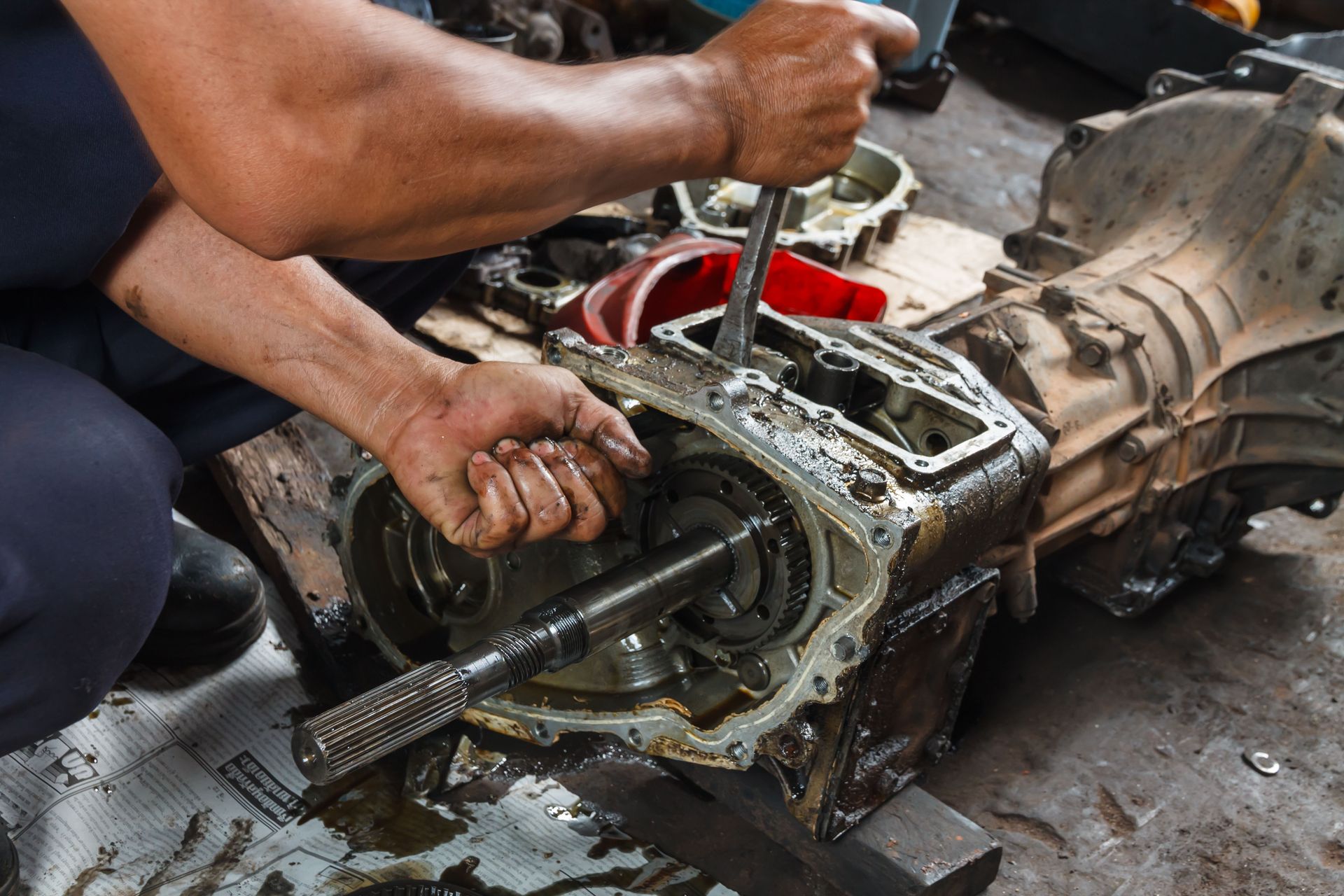
Early diagnosis may allow a technician to correct a leak, replace a worn component, or perform a fluid service before major damage occurs. Waiting until the vehicle will no longer shift can lead to a much more involved repair. In severe cases, rebuilding or replacing the entire unit may be necessary.
2. Reduce Safety Risks on the Road
A dependable transmission helps a vehicle accelerate, slow down, and change gears predictably. When the system slips or hesitates, the driver may not receive the expected response after pressing the accelerator. This delay can be dangerous when merging into traffic, crossing an intersection, climbing a hill, or passing another vehicle. According to CarTalk, transmissions are built to last the entire lifespan of a vehicle, typically around 250,000 miles.
Unexpected gear changes can also cause sudden increases or decreases in speed. A driver may struggle to maintain control if the vehicle jerks, stalls, or fails to stay in the selected gear. These problems can place the driver, passengers, pedestrians, and nearby motorists at risk.
Fluid leaks create another safety concern. Leaking fluid may reach hot vehicle components and produce smoke or a burning smell. It can also leave slippery spots in a garage or driveway. Scheduling an inspection as soon as these signs appear can help prevent a mechanical issue from becoming a roadside emergency.
3. Avoid Higher Repair and Ownership Costs
Ignoring transmission symptoms often makes the eventual repair more expensive. A minor leak may lower the fluid level, causing overheating and accelerated internal wear. A damaged sensor may create improper shifting patterns that place unnecessary pressure on gears and clutches. What begins as a relatively simple repair can become a major mechanical project.
Vehicle downtime can add to the financial burden. Owners may need to rent a car, use rideshare services, miss work, or rearrange important appointments while repairs are completed. A sudden breakdown may also require towing, emergency service, or an unexpected hotel stay if the failure occurs far from home.
Maintenance history can affect resale value as well. Prospective buyers often want proof that major systems received regular care. A vehicle with documented inspections and repairs may be more appealing than one with unresolved shifting problems or evidence of neglect. Taking care of issues promptly can protect both current reliability and future value.
4. Preserve Vehicle Performance
A properly operating transmission supports smooth acceleration and efficient power delivery. When problems develop, the engine may rev without producing the expected increase in speed. Drivers may also notice rough shifts, hesitation, shaking, or difficulty moving from park into drive or reverse.
These symptoms can make everyday travel frustrating and unpredictable. Stop-and-go traffic may become uncomfortable, highway driving may feel less responsive, and towing or carrying heavy loads may place even more strain on the vehicle. Performance problems may worsen gradually, making it easy for drivers to adapt without realizing how much the vehicle has changed.
Fuel economy can decline when the engine and transmission are not working together efficiently. The engine may operate at higher revolutions than necessary or struggle to remain in the correct gear. Correcting the underlying problem can restore smoother operation and help the vehicle use fuel more effectively.
5. Limit Environmental Harm
A failing transmission can contribute to unnecessary fuel consumption and increased emissions. When power is not transferred efficiently, the engine may work harder to maintain speed. This additional effort burns more fuel and may increase the amount of pollutants released during everyday driving.
Fluid leaks can also damage the environment. Automotive fluids may soak into soil, wash into storm drains, and contaminate nearby waterways. Even a small recurring leak can release a significant amount of fluid over time. Repairing damaged seals, lines, or gaskets helps protect the vehicle and the surrounding area.
Major mechanical failures can create additional waste because damaged components may need to be rebuilt, recycled, or replaced. Preventive care can extend the service life of the existing transmission and reduce the demand for replacement parts. Responsible maintenance therefore supports both vehicle reliability and more sustainable ownership.
6. Protect Legal and Insurance Interests
Vehicle owners are generally expected to keep their cars in reasonably safe operating condition. Continuing to drive after noticing serious transmission warning signs may increase liability if a mechanical failure contributes to a collision. Maintenance records can demonstrate that the owner responded responsibly and arranged appropriate service.
Insurance claims may also become more complicated when there is evidence that a known mechanical defect was ignored. Coverage depends on the policy and the circumstances, but insurers may examine maintenance history when investigating an accident. Keeping repair invoices and inspection reports provides a clear record of vehicle care.
Regular inspections can also help drivers comply with applicable safety and emissions requirements. Although inspection rules vary by location, a vehicle that shifts unpredictably, leaks fluid, or stalls may not be considered roadworthy. Correcting these concerns before they cause an accident or failed inspection can prevent additional stress and expense.
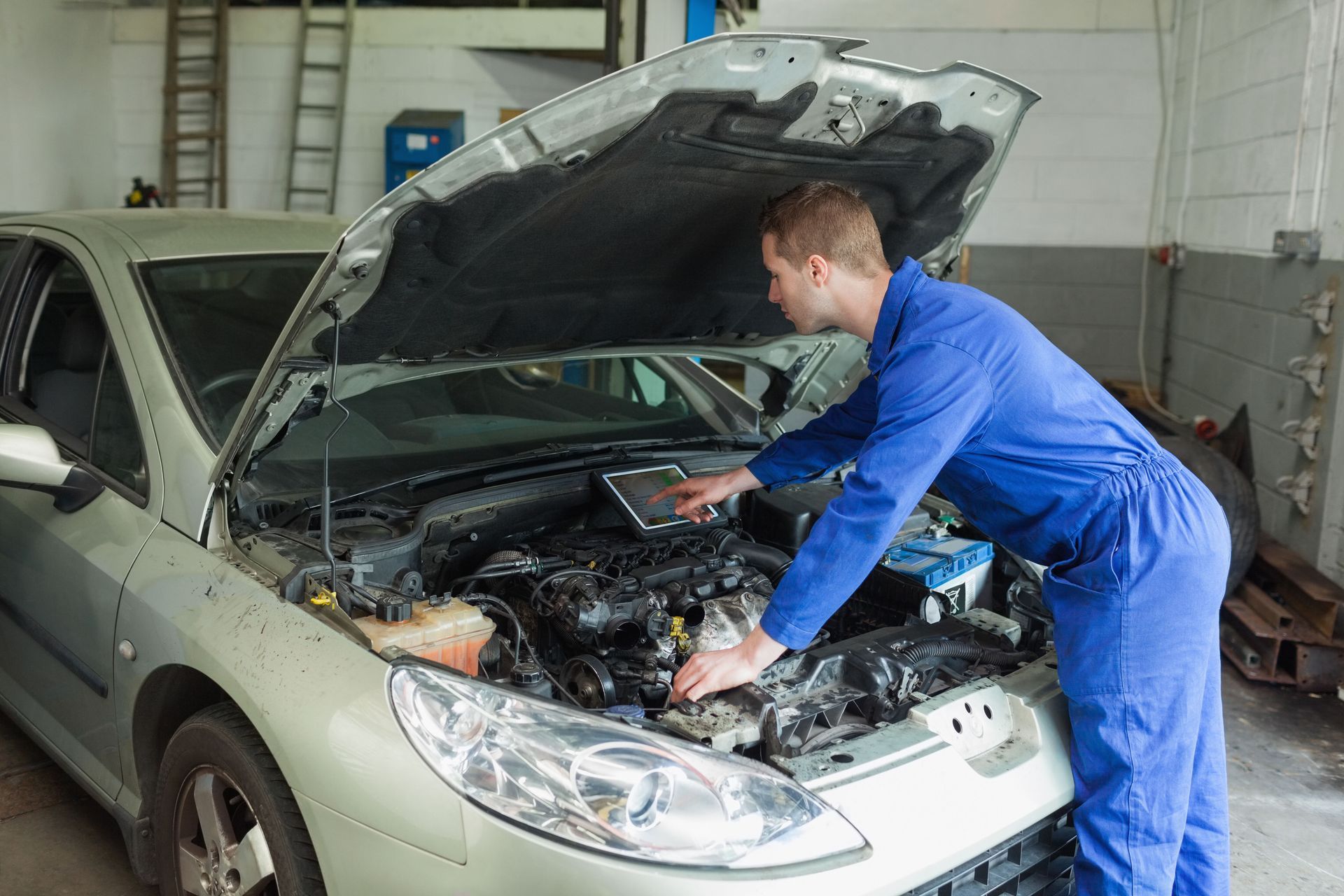
Drivers should schedule service when they notice slipping gears, delayed engagement, grinding or whining sounds, rough shifts, leaking red or brown fluid, or a burning odor. A dashboard warning light may also point to a problem, even when the vehicle still appears to drive normally. Modern diagnostic equipment can help identify electronic and mechanical faults before a complete breakdown occurs.
Vehicle owners should avoid assuming that unusual behavior will disappear on its own. Some issues may seem intermittent because they occur only when the vehicle is cold, hot, under load, or traveling at a certain speed. Recording when the symptom happens can help a technician reproduce the problem and recommend the proper repair.
Ignoring transmission problems can affect safety, performance, repair costs, fuel efficiency, and vehicle value. Early diagnosis gives technicians a better opportunity to correct a manageable issue before it causes extensive internal damage. Routine maintenance, fluid checks, and prompt inspections can help drivers avoid unexpected breakdowns and expensive repairs.
Paying attention to warning signs is an important part of responsible vehicle ownership. When a vehicle begins shifting differently, leaking fluid, or producing unusual sounds, arranging professional service is the safest response. Timely care can extend the life of the vehicle and provide greater confidence every time it is driven. Call RJ Auto today for more information.
Share On: